Scabies: Frequently asked questions
What is scabies?
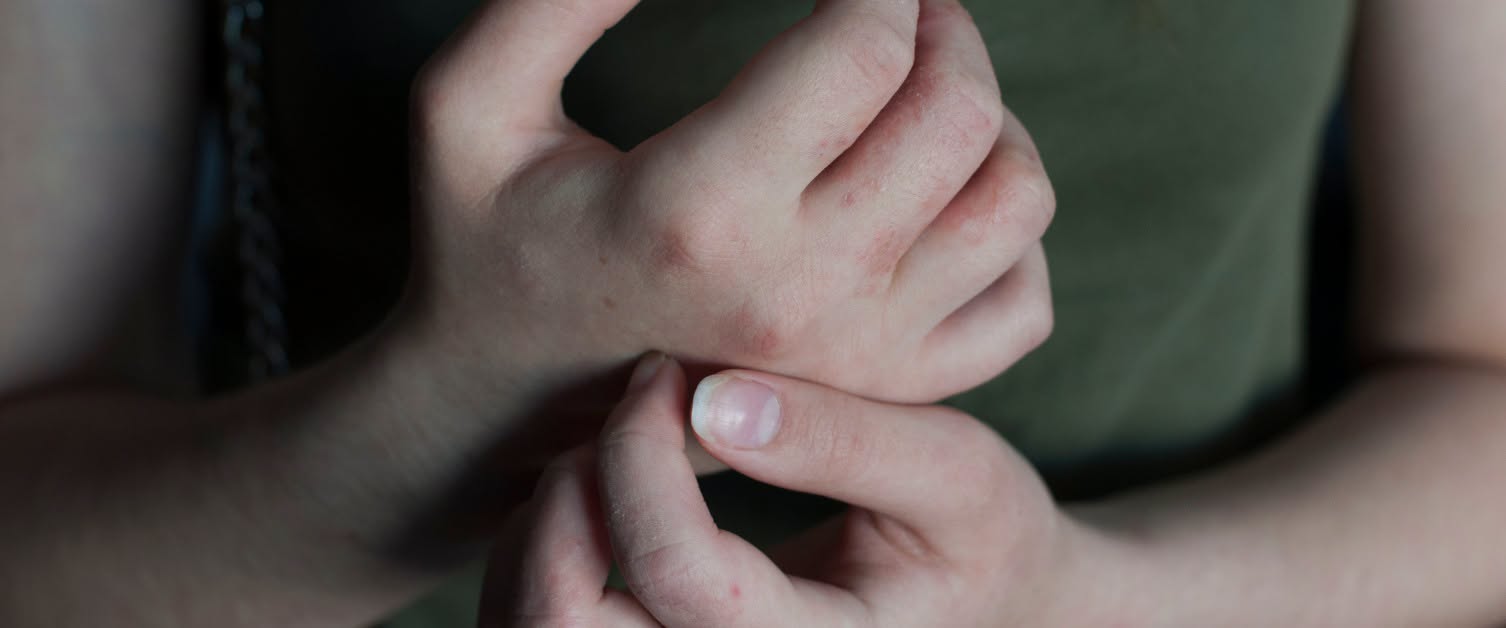
Scabies is a common and treatable skin condition caused by a tiny mite. It usually causes an itchy rash, often worse at night.
Scabies is mainly spread through prolonged, close skin-to-skin contact. Simply being in the same school, childcare setting, leisure centre, sports club or community venue is unlikely to spread scabies.
Scabies can affect anyone and is not a sign of poor hygiene. People affected should be treated with dignity and without stigma.
How is scabies spread?
Scabies is usually passed on through prolonged skin-to-skin contact, such as between:
- Household members
- Close family contacts
- People providing hands-on personal care
Scabies is not usually spread through brief everyday contact, including:
- Shaking hands briefly
- Sitting next to someone
- Passing someone in a corridor
- Attending the same school or leisure facility
- Using the same swimming pool or sports facility
Symptoms
Look out for:
- An itchy rash
- Itching that is worse at night
- Small spots or lines on the skin
- Similar symptoms in close household members
Symptoms can take several weeks to appear after exposure.
What should I do if I think I or my child has scabies?
- Seek advice from your GP, pharmacist or healthcare professional.
- Follow treatment instructions carefully.
- Avoid prolonged skin-to-skin contact until treatment has started.
- Avoid sharing clothing, towels or bedding before treatment.
- Inform relevant organisations if close contact may have occurred.
Schools, Childcare and Community Settings
Can children attend school?
Yes. Once the first treatment has been completed, children can usually return to school or childcare if otherwise well.
Do schools need to close?
No. A single case does not normally require closure or cancellation of activities.
Does everyone need treatment?
No. Being in the same school, classroom, workplace or leisure facility does not automatically make someone a close contact.
Is enhanced cleaning required?
Usually not. Routine cleaning is generally sufficient unless specific advice is provided.
Can leisure centres and community facilities remain open?
Yes. Facilities and activities can normally continue as usual.
Clothing, Towels and Bedding
If treatment is required:
- Wash recently used clothing, towels and bedding at 60°C or above where possible.
- Items that cannot be washed can be sealed in a bag for at least three days.
- Use clean clothing, towels and bedding after treatment.
There is no need to disinfect entire buildings or dispose of belongings.
When to seek advice?
Seek healthcare advice if:
- You or your child develops an unexplained itchy rash.
- Several household members develop symptoms.
- Symptoms persist or worsen after treatment.
- You have been identified as a close contact.
For diagnosis and treatment advice, contact your GP, pharmacist or healthcare professional.