Helping patients stay active and recover faster in hospital
2 July 2026
Hywel Dda University Health Board is among the first in Wales to introduce a new approach to identifying and preventing hospital related decline, using an early warning tool designed to support patients to recover more quickly and maintain their independence.
The Deconditioning Early Warning Indicator (DEWI) helps staff recognise early signs that a patient may be losing strength, mobility or confidence during a hospital stay. This enables timely support to keep people active and independent throughout their care.
The aim is to help people leave hospital at the same level of independence they had before admission, or even at the level they had two weeks before they became unwell. The tool uses a structured set of indicators to build a picture of each patient’s abilities and identifies any changes early.
Developed by NHS Wales Performance & Improvement, the DEWI tool has been tested across a number of Health Boards in Wales and was formally launched in November 2025. It is now being rolled out across Hywel Dda hospital sites.
Deconditioning can develop quickly, even during a short hospital stay. It can significantly impact physical, mental and emotional wellbeing. Sharon Daniel, Executive Director of Nursing, Quality & Patient Experience said: “We recognise that deconditioning can cause significant harm to our patients, often developing quickly and impacting independence and recovery during a hospital stay.
“It is therefore highly encouraging to see the Health Board leading the way in embedding the DEWI Tool, alongside the development of a complementary Action Bundle which helps patients to stay active and independent.”
More than 650 patients have already been supported using the DEWI Tool during their hospital stay with early indications showing positive trends in maintaining or improving function during admission.
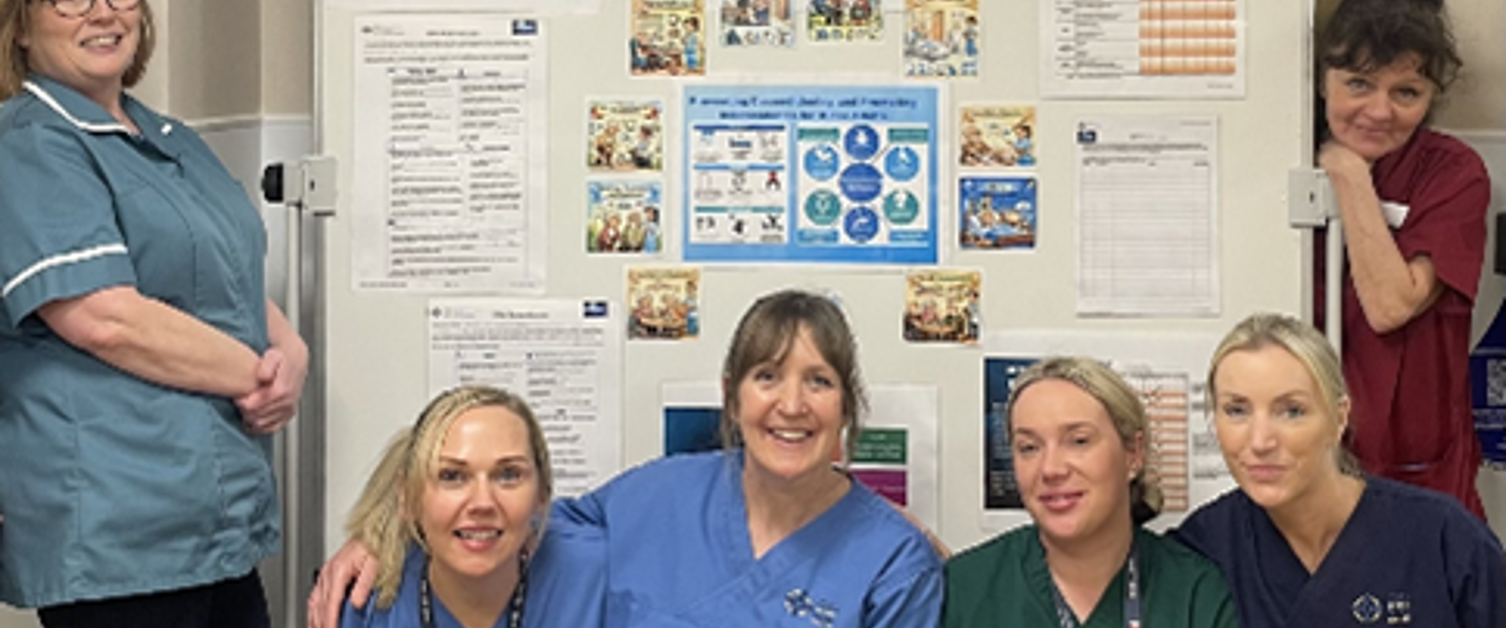
Across Hywel Dda, ward teams are embedding the tool into daily care, including the use of visual information boards and activities to encourage patients to remain active, engaged and independent.
Estelle Williams, Sister Acute Frailty Unit, WGH said: “From a ward perspective, the DEWI Tool has been really useful in helping our staff think about deconditioning as part of everyday care.
“It keeps things simple and focuses on practical actions we can take, like supporting patients to stay mobile, encouraging independence and paying attention to nutrition and hydration.
“It also fits nicely alongside the initiatives we already have in place, including the use of fortified milkshakes, bringing everything together in a more joined up way.”
James Severs, Executive Director of Allied Health Professions and Health Science said: “Preventing deconditioning is fundamental to improving patient outcomes and reducing the long-term impact of illness.
“This work highlights the vital role all ward staff have in keeping people active, supporting recovery and maintaining independence throughout their hospital stay. By identifying risks early and intervening promptly, we are helping patients recover faster and return home with greater confidence.”
In future phases, the Health Board will further develop the DEWI Tool, embedding it as part of standard care before, during and after hospital admission.
PHOTO SHOWS: The Deconditioning Team including from left to right Annie – Occupational Therapy Technician; Ruth and Rosie, nurses; Lauran, Health Care Assistant; Estell, Sister and Violet from Hotel Services.
ENDS