Scabies: what you need to know
Updated 30 September 2026 (First published 14 July 2026)
Scabies is a common skin condition caused by a microscopic mite and can affect people of all ages. While it is highly contagious through prolonged skin-to-skin contact or shared bedding or clothing, with partners and household members, it is not usually associated with serious illness and can be treated effectively. It is important to note that scabies is not linked to poor personal hygiene, and anyone can be affected.
A number of scabies cases are currently being managed in healthcare and community settings across the Hywel Dda area. The risk to the wider public remains low. We will be contacting individuals whose planned care appointments may be impacted by this, as soon as possible.
Appropriate infection prevention and control measures are in place, and affected individuals and their close contacts are being supported with treatment and advice.
We would like to take this opportunity to remind staff, patients and members of the public of the signs and symptoms of scabies, and the importance of completing treatment correctly to prevent re-infestation and further spread.
Signs and symptoms of scabies
Symptoms can include:
- Intense itching, often worse at night
- A rash with small red spots and scratch marks
- Several people in the same household or close-contact group becoming itchy around the same time
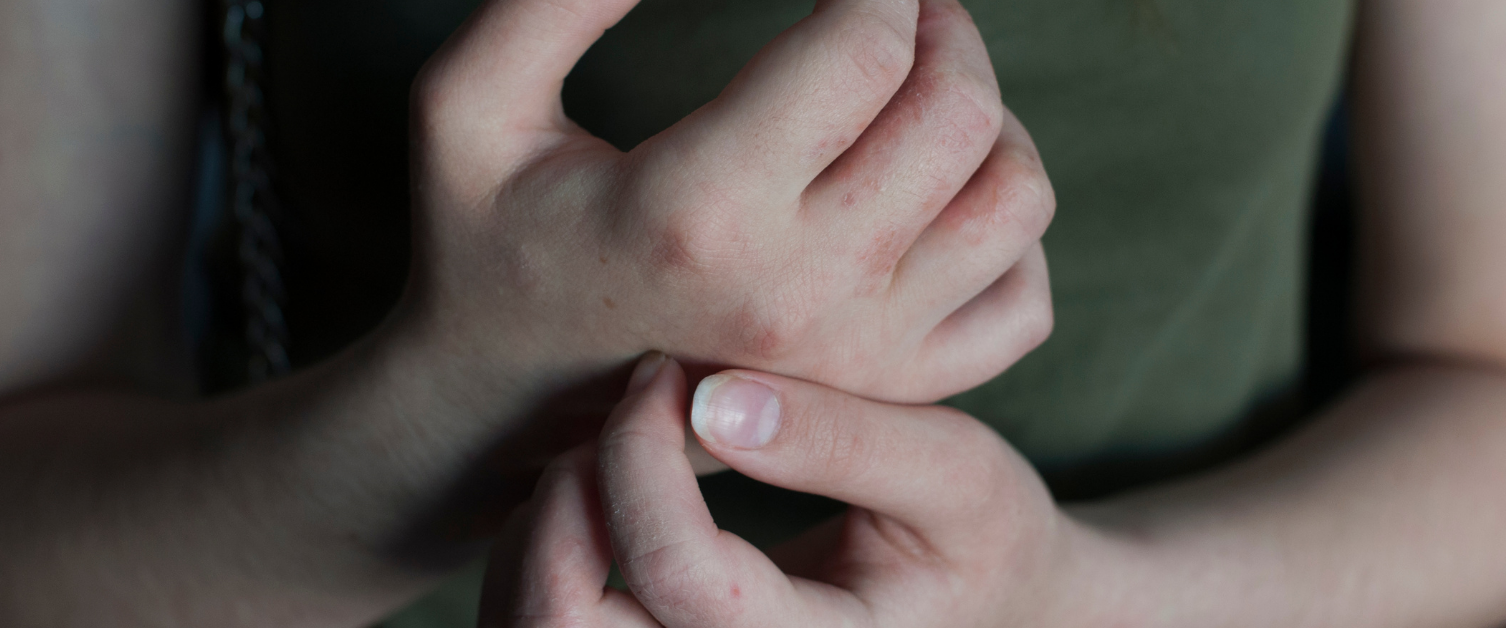
The scabies rash usually spreads across the whole body, apart from the head and neck. It often affects skin between the fingers, around the wrists, under the arms, and around the waist, groin and bottom.
However, older people, people with dementia and young children may develop an atypical rash on their head, neck, palms and soles of their feet.
Preventing re-infestation
Scabies can be successfully treated with medication available through healthcare professionals and pharmacies. Successful treatment relies on everyone who may have been exposed being treated at the same time.
If scabies has been diagnosed, all household members and close contacts should receive treatment at the same time, even if they do not have symptoms. Treatment usually involves two applications of medication, seven days apart.
To help prevent re-infestation:
- Clothes, towels, and bed linen should be machine-washed at 60°C or above immediately after the first application of treatment. This kills the scabies mites. Place items that cannot be washed in a sealed bag for four days
- Ensure household members and other close contacts are informed and treated at the same time
- Complete the full course of treatment as advised
It is also important to remember that itching can continue for several weeks after successful treatment. This does not necessarily mean that treatment has been unsuccessful.
Seeking advice
If you think you may have scabies, or if symptoms persist following treatment, please seek advice from your GP, community pharmacist or NHS 111 Wales.
Scabies is usually spread through prolonged skin-to-skin contact. Although spread through clothing, bedding and towels is possible, this is much less common.
By recognising the symptoms early and ensuring everyone who may be affected is treated together, we can help prevent re-infestation and reduce the spread of scabies in our communities.